.svg)
Key takeaways
- We ran all 168 URLs of vydera.com through the Search Console URL Inspection API. Indexation rate: 80.4%, meaning 33 URLs missing from the index
- Six of the seven technical causes are ruled out: robots.txt allows everything, pages return 200, no noindex tag, zero canonical disagreements, content served as HTML
- 28 URLs sit in « Crawled, currently not indexed »: Google saw the page and chose not to keep it. There is nothing to repair technically
- 5 of the 6 French service pages are among them. All receive exactly 3 internal content links, where indexed pages average 11.2
- 2 URLs present in the sitemap are unknown to Google. Being in the sitemap guarantees nothing, not even discovery
"Crawled, currently not indexed." Probably the most frustrating message in Search Console. It reports no error, offers no lead, and implies something is broken somewhere.
To find out what it actually covers, we ran all 168 URLs in the vydera.com sitemap through Google's URL Inspection API, one at a time. Then we cross-checked the result against the internal link graph we had already mapped for our article on internal linking.
Verdict: 80.4% indexed, 33 URLs missing from the index, and six of the seven usual technical causes ruled out immediately.
The decision tree
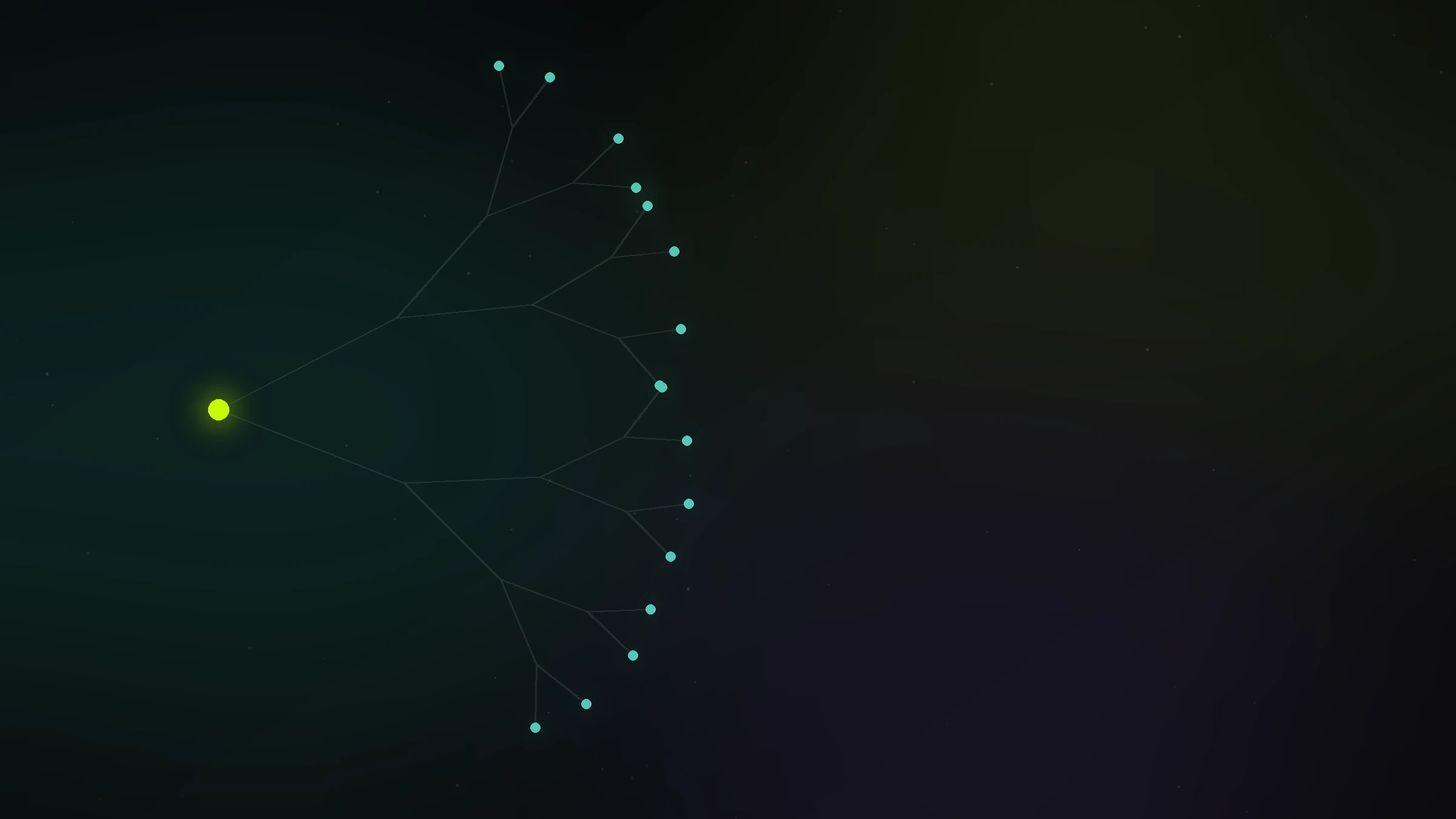
Seven causes, in the order you should test them. Each step says where to read the answer in Search Console, and what it returned on our own site.
Why isn't this page indexed?
The six technical causes, ruled out one by one
This is the most useful result of the measurement, and the most counter-intuitive: across 168 URLs, the vast majority of technical causes simply do not apply.
- robots.txt: 163 of 168 URLs
ALLOWED. The remaining 5 have never been crawled, so their state is unreported. - HTTP response: 163 of 168
SUCCESSFUL. No fetch errors. - noindex: zero. Every URL comes back
INDEXING_ALLOWED. - Canonicals: zero disagreements between the declared canonical and the one Google picked, across all 168.
- JavaScript rendering: not applicable, the site serves its content as HTML.
- Discovery: only 2 URLs are unknown to Google.
Put another way, the classic technical audit finds almost nothing. And yet 33 URLs are missing.
Two sitemap URLs Google does not know
A short detour, because the case is instructive. Two pages present in the sitemap, returning 200, come back as "URL is unknown to Google", with no crawl date at all.
A sitemap is not an instruction, it is a suggestion. Google reads it, decides what to crawl, and nothing obliges it to visit a URL that no link recommends. One internal link from an already-crawled page is worth more than a sitemap entry. The sitemap signals, the link vouches.
The real cause: Google looked and said no
That leaves the state covering 28 of the 33 URLs: "Crawled, currently not indexed".
Read it for what it is. Google came, loaded the page, analysed it, and decided it did not earn a slot in the index. This is not a failure. It is a judgement.
The usual reasons: content too thin, too close to another page on the same site, or too poorly supported by the rest of it. On vydera.com, the third one is glaring.
The number that stings: 5 service pages out of 6
Our six French service pages, the ones describing the offer, sit in this state five times over. Only one is indexed.
They share one trait: they all receive exactly 3 internal content links. That is the deficit we had already spotted when mapping the link graph, and indexation shows its direct consequence.
| Internal links received | Pages | Indexed | Rate |
|---|---|---|---|
| 0 link | 2 (Sample too small to conclude) | 2 | 100 % |
| 1 to 2 links | 22 | 16 | 73 % |
| 3 to 5 links | 27 | 19 | 70 % |
| 6 to 11 links | 12 | 8 | 67 % |
| 12 links and up | 21 | 20 | 95 % |
Across the 84 French pages, indexed pages receive 11.2 internal links on average, non-indexed ones 4.9. A factor of 2.3.
But the table has to be read honestly, and it does not say what we would like it to say. The relationship is not a straight line. Between 1 and 11 links the rate hovers around 70%, and only takes off past 12, where it reaches 95%. The "0 links" bucket shows 100%, but it holds just 2 pages: it proves nothing.
What the measurement establishes is a threshold effect, not a smooth progression. Adding a fourth link to a page that has three probably changes nothing. Getting it past a dozen does.
What to do, in order
- Run the technical audit first, but fast. The first six causes take a couple of minutes per page in URL Inspection, or a single batch through the API. In most cases they all come back negative.
- Isolate the "Crawled, currently not indexed" group. It is the only one requiring real work, and the only one where no technical fix will help.
- For each, count the internal content links it receives. Excluding navigation and footer, which do not count.
- Aim for a dozen links on strategic pages. Not three, not five. That is where the threshold sits in our sample.
- Check the page offers something the others do not. Two pages overlapping 80%, Google keeps one.
Running the measurement on your site
The URL Inspection API allows 2,000 inspections per day per property, 600 per minute. Any site under 2,000 URLs can therefore be covered in a single day, for free, with a hundred-line script that reads the sitemap and loops through the API.
Budget five minutes for 170 URLs with serialised calls. The result gives you, page by page, the verdict, the coverage state, the last crawl date and both canonicals. It is the most complete indexation audit available, and it costs nothing.
For the definitions: indexing and crawl. And if the topic is how AI engines read your site, we cover it in our llms.txt guide.
What does "Crawled, currently not indexed" mean?
Google loaded the page, analysed it, and decided not to keep it in the index. It is not a technical error, it is a judgement about perceived value. No technical fix lifts it: the levers are content and internal links.
How long does Google take to index a new page?
There is no guaranteed delay. On vydera.com, last-crawl dates span 23 April to 27 August 2026, more than four months between the most and least visited pages. An internal link from a frequently-crawled page speeds up discovery far more than the sitemap does.
Does being in the sitemap guarantee indexation?
No, not even discovery. Of our 168 sitemap URLs, 2 come back as "URL is unknown to Google" with no crawl date at all. The sitemap is a suggestion, the internal link is a recommendation.
How many internal links does a page need to get indexed?
Across our 84 French pages, the rate hovers around 70% between 1 and 11 content links received, then reaches 95% from 12 onward. It is a threshold effect, not a smooth progression. Going from 3 to 4 links probably changes nothing; getting to a dozen changes everything.
How do I audit indexation across a whole site at once?
Through the Search Console URL Inspection API, which allows 2,000 inspections per day per property. A script that reads the sitemap and loops through the API covers 170 URLs in five minutes, with no paid tool involved.
Should I deindex the pages Google refuses?
Rarely. A refused page does not penalise the rest of the site. The better question is: does this page offer anything no other page on the site offers? If not, merging it with its neighbour beats leaving it to linger.