.svg)
Key takeaways
- Rollout in 19h30, absolute record in Google's history
- No new policies introduced: it's the precision of enforcement that improved
- SpamBrain had already identified targets before the official launch
- This update does not target link spam or site reputation abuse
- Recovery: 3 to 6 months minimum if you're affected, provided you act immediately
- GEO signal: a site flagged for spam also disqualifies itself as a source for LLMs
The March 2026 Spam Update started on March 24 at 12:00 PM PT and ended on March 25 at 7:30 AM PT. That is 19 hours and 30 minutes of rollout. The shortest ever recorded on the Google Search Status Dashboard.
To put that in perspective, here is the recent history:
- December 2024: 7 days
- August 2025: nearly 4 weeks
- March 2026: under 20 hours
This number is not a technical footnote. It carries important information about where Google is heading.
A fast rollout is not an accident
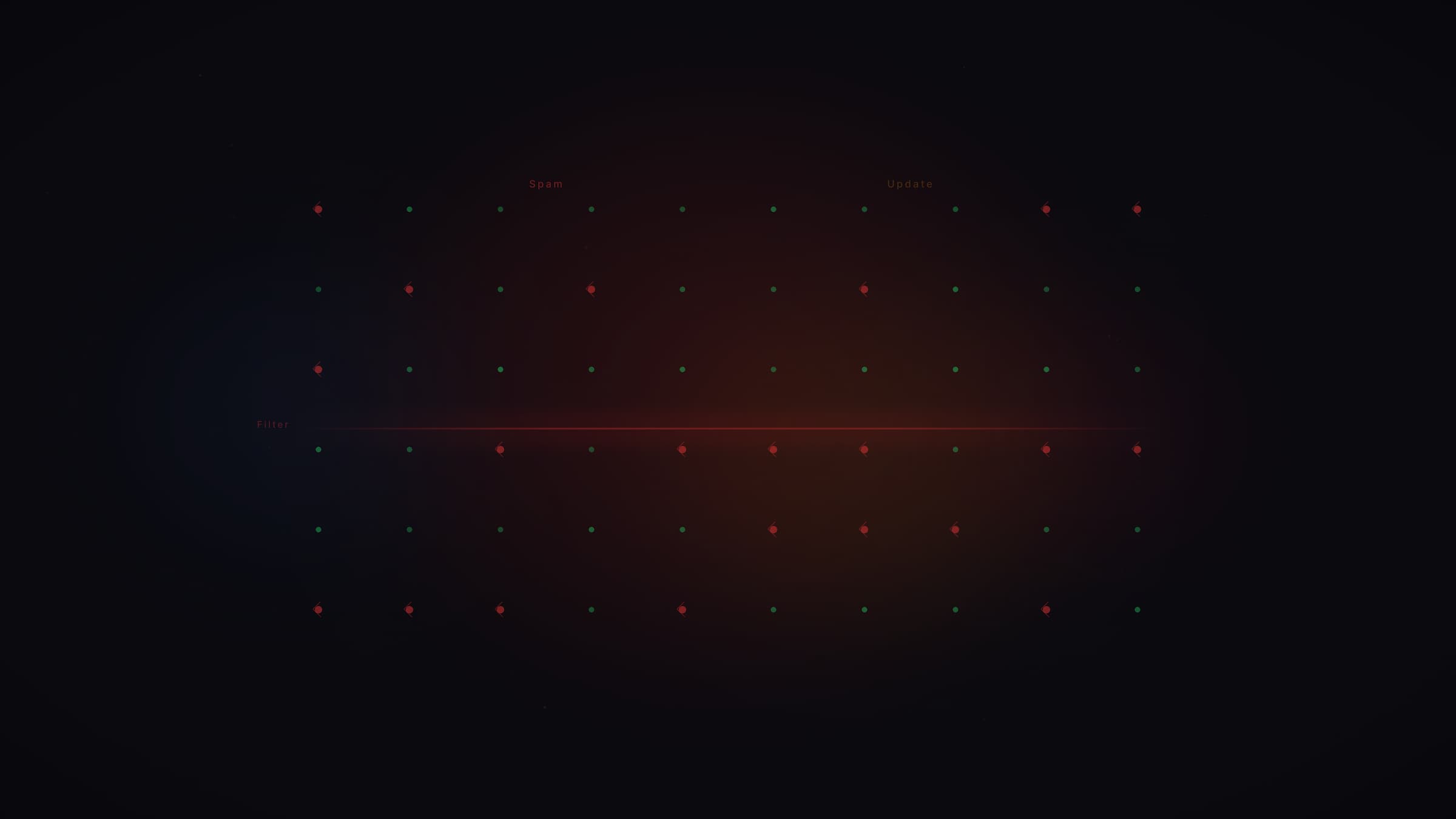
Google describes spam updates as improvements to its spam-prevention systems, like SpamBrain, targeting sites that violate spam policies and potentially resulting in lower rankings or removal from results.
When a rollout wraps in under a day, it means it was prepared well in advance. Targets were identified, signals processed, decisions made. The rollout was just the final step: pulling the enforcement trigger.
SpamBrain's first public use for large-scale spam detection dates back to the December 2022 link spam update. That introduction marked a structural shift: instead of rule-based filters, machine learning now drives much of the anti-spam enforcement infrastructure.
SpamBrain has continued to evolve since. The speed of this rollout is the most concrete proof of that to date.
What this update targets
This update does not target link spam, site reputation abuse, or several other policies. Those are handled by separate systems.
The practices targeted are those already documented in Google's spam policies:
- Mass-generated content with no added value
- Doorway pages
- Cloaking and deceptive redirects
- Hidden text or links
- Keyword over-optimization
No new spam categories were introduced with this update. It is a standard spam update, unlike the March 2024 update which introduced scaled content abuse, expired domain abuse, and site reputation abuse as new categories.
Google did not expand the rules. It simply improved its ability to enforce them.
What this signals about Google's direction
The right question is not "which sites were affected" but "what does this say about what comes next".
A system capable of deploying a global update in under 20 hours, without new policies, without a companion blog post, is a system that no longer needs time to decide. It has already decided. It just waits for the signal to enforce.
This changes the calculus for strategies that relied on the delay between detection and enforcement. That delay shrinks with every SpamBrain iteration.
According to Google's official documentation, sites that see changes after a spam update should review the spam policies and ensure they comply. Making changes may help a site improve if automated systems detect sustained compliance over a period of months.
What this means for GEO visibility
This is where the angle gets more interesting for brands working on their presence in AI answer engines.
ChatGPT, Perplexity, Gemini, Claude: these systems rely on trust and authority signals to choose their sources. Those signals overlap significantly with the ones Google uses to assess site quality: topical consistency, structure, reliability, absence of manipulative practices.
A site whose spam profile is detected and penalized by SpamBrain sends a negative signal beyond Google Search. It progressively disqualifies itself from the sources LLMs consider trustworthy. SEO visibility and GEO visibility share the same foundations.
What to do right now
If you notice a traffic drop on March 24-25 data in Search Console, here is the sequence:
1. Identify before acting
Compare page performance for March 17-23 vs March 24-25, filtered by traffic decline. Do not touch anything before identifying the pages that were actually impacted.
2. Check the Manual Actions tab
An algorithmic penalty can be followed by a manual action. Better to know quickly.
3. Audit against the spam policies
Run each affected page against Google's spam policies. Look for documented practices: thin content, doorway pages, over-optimized anchors, suspicious redirects.
4. Do not expect a quick recovery
Recovery typically takes 3 to 6 months for content-related violations, and potentially much longer, with no full recovery possible, for link-related violations.
If you were not affected, now is a good time to verify that your current practices hold up long term, not because an update is coming, but because SpamBrain never stops between updates.
In summary
19 hours and 30 minutes. No new policies. No companion post.
Google did not need to explain what it was doing because the rules did not change. What changed is the speed and precision of execution.
For sites built on solid foundations, useful content, coherent structure, genuine topical authority, this update changes nothing. For others, the margin of tolerance shrinks with every new SpamBrain iteration.
Sources:
What is the March 2026 Spam Update?
It is an update to Google's anti-spam systems, deployed on March 24, 2026 and completed in under 20 hours. It targets sites violating existing Google spam policies (mass-generated content, doorway pages, cloaking, hidden text). No new policies were introduced.
Why is the 19h30 rollout significant?
It is the fastest rollout ever recorded on the Google Search Status Dashboard. By comparison, the August 2025 spam update took nearly 4 weeks. This speed indicates that SpamBrain had already identified targets before the official trigger was pulled.
Does this update target link spam?
No. Google explicitly confirmed this update does not target link spam or site reputation abuse. These are separate systems. That said, if your site previously benefited from manipulative links, any ranking gains from those links are permanently lost and cannot be recovered.
My site lost traffic on March 24-25. What should I do?
Start by identifying the affected pages in Search Console before making any changes. Audit them against Google's spam policies. Check the Manual Actions tab. If you are impacted, recovery requires months of sustained compliance: there is no shortcut.
Does this update affect visibility in AI tools like ChatGPT or Perplexity?
Not directly. But the trust signals LLMs use to choose their sources overlap significantly with those Google uses to assess site quality. A site penalized by SpamBrain progressively disqualifies itself as a reliable source in AI-generated responses.